Myno Carbon Joins UF Sargassum Biochar Study
Myno Carbon joins a University of Florida study testing sargassum-derived biochar for water treatment and contaminant removal.
By Academic Writing Club Newsroom
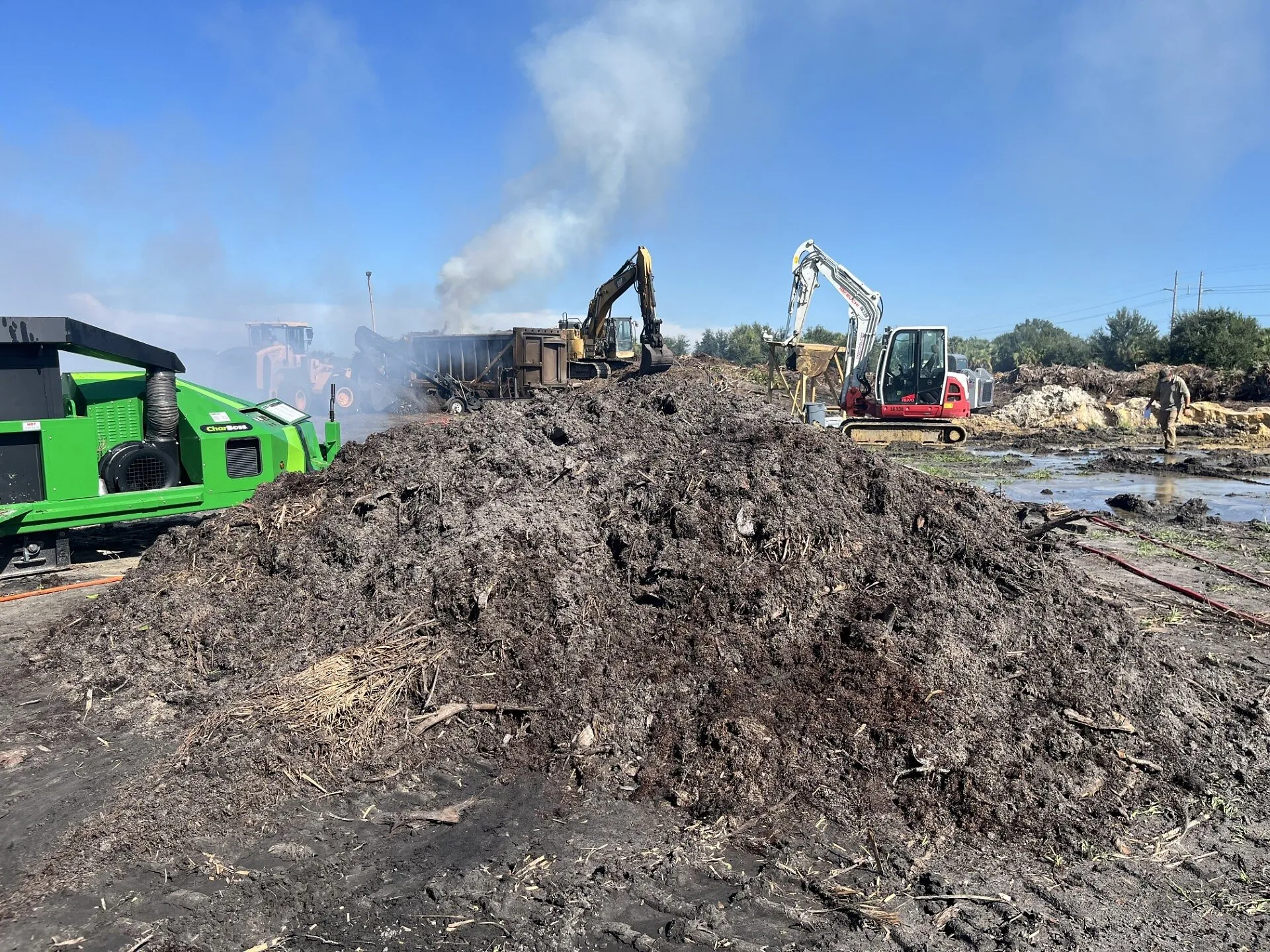
Myno Carbon has been selected by the University of Florida for a research project examining whether coastal sargassum can become enhanced biochar for water treatment. The study is led by UF Professor Dengjun (Kevin) Wang and funded through the U.S. Environmental Protection Agency Region 4. Researchers will collect sargassum, process it through pyrolysis, and test the resulting material’s ability to remove or immobilize contaminants. The work will focus particularly on possible uses in oyster beds.
Testing Sargassum for Water Treatment
Sargassum supports the open-ocean ecosystem, but large coastal accumulations can affect near-shore ecosystems, tourism, and communities. The University of South Florida expects 2026 to be at least the second-largest sargassum year in the satellite record, behind only 2025.
The project will assess whether collected material can move from a waste stream to a water-treatment resource. Myno Carbon will contribute expertise in pyrolysis, the thermal process that converts biomass into stable carbon-rich material.
Dengjun (Kevin) Wang, Ph.D., Assistant Professor at UF and the principal investigator for the project, said:
“Sargassum creates a significant challenge for coastal communities, but it also represents a biomass resource that may have beneficial environmental applications. By combining UF's water-quality research with Myno Carbon's expertise in pyrolysis and biochar, we have an opportunity to evaluate an innovative and potentially circular approach to this problem,”
Biochar Research Expands
Myno Carbon develops enhanced biochar for environmental remediation involving PFAS, petroleum hydrocarbons, and heavy metals. The UF study extends that work into water treatment and tests biochar made from a new feedstock.
Thor Kallestad, CEO and co-founder of Myno Carbon, said:
“This project captures exactly what we believe the next generation of biochar can accomplish. We're taking a material that is creating an environmental problem, applying science and advanced pyrolysis to transform it, and then evaluating whether that same material can help solve another environmental problem. That combination of waste-to-value, carbon management and remediation is incredibly exciting.”
A Circular Research Project
Myno calls its approach Biochar 3.0, which moves beyond biochar as a soil amendment toward carbon materials designed for specific environmental applications. For students and researchers, the UF project offers an example of university, government, and private-sector collaboration on water quality, waste utilization, and carbon management.