How to Improve Your Memorization Skills
Learn how understanding, active recall, spaced study, sleep, exercise, and organization can strengthen memorization skills.
By Academic Writing Club Newsroom

You can improve your memorization skills by understanding material, linking it to familiar ideas, testing yourself, and reviewing it over several days. The Learning Center says recall improves when information is meaningful rather than isolated.
| Method | Fact |
|---|---|
| Understanding | Organized material that makes sense is easier to memorize. |
| Active recall | Self-testing identifies material that needs more study. |
| Distributed practice | Study and repetition can be spread across several days. |
| Sleep | Mayo Clinic lists 7 to 9 hours of regular nightly sleep for adults. |
| Physical activity | Mayo Clinic cites 150 minutes of moderate activity or 75 minutes of vigorous activity each week. |
Understand and Connect Information
The Learning Center says to learn the meaning of information before trying to memorize it. Material is easier to retain when it is organized and understandable.
Connect new facts to ideas, numbers, or objects already familiar to you. The Learning Center says an unusual imagined connection can help a fact remain memorable.
Visual and spatial methods use images, songs, feelings, and body movement. The Learning Center says these approaches can make material meaningful and reduce the demands on working memory.
Test Yourself Over Time
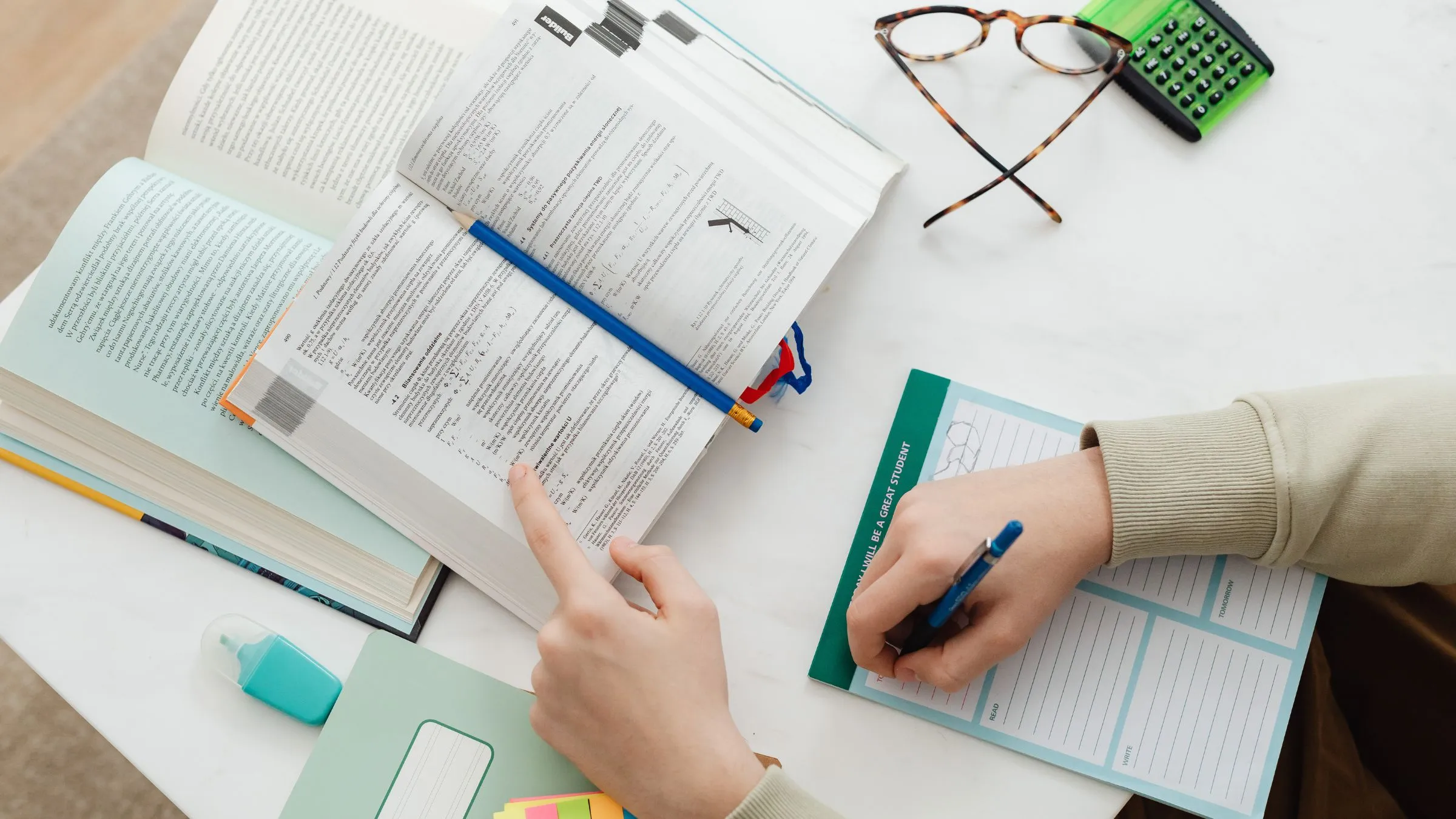
Self-testing means recalling information without checking notes or answers. The Learning Center says rereading can create familiarity without showing that the material can be recalled independently.
Test material after a few hours or after one or two days. The Learning Center says this delay can reveal whether information remains in memory.
Distributed practice means repeating material across several days while gradually extending the gap between sessions. Flash cards, handwritten notes, and self-testing can support repetition.
Support Memory With Daily Habits
Mayo Clinic says physical activity increases blood flow throughout the body, including the brain. It identifies brisk walking as moderate aerobic activity and jogging as vigorous activity.
Mayo Clinic says mental activities such as reading, games, musical instruments, hobbies, and volunteering may help keep the mind active. Time with other people may reduce stress and depression, which can contribute to memory loss.
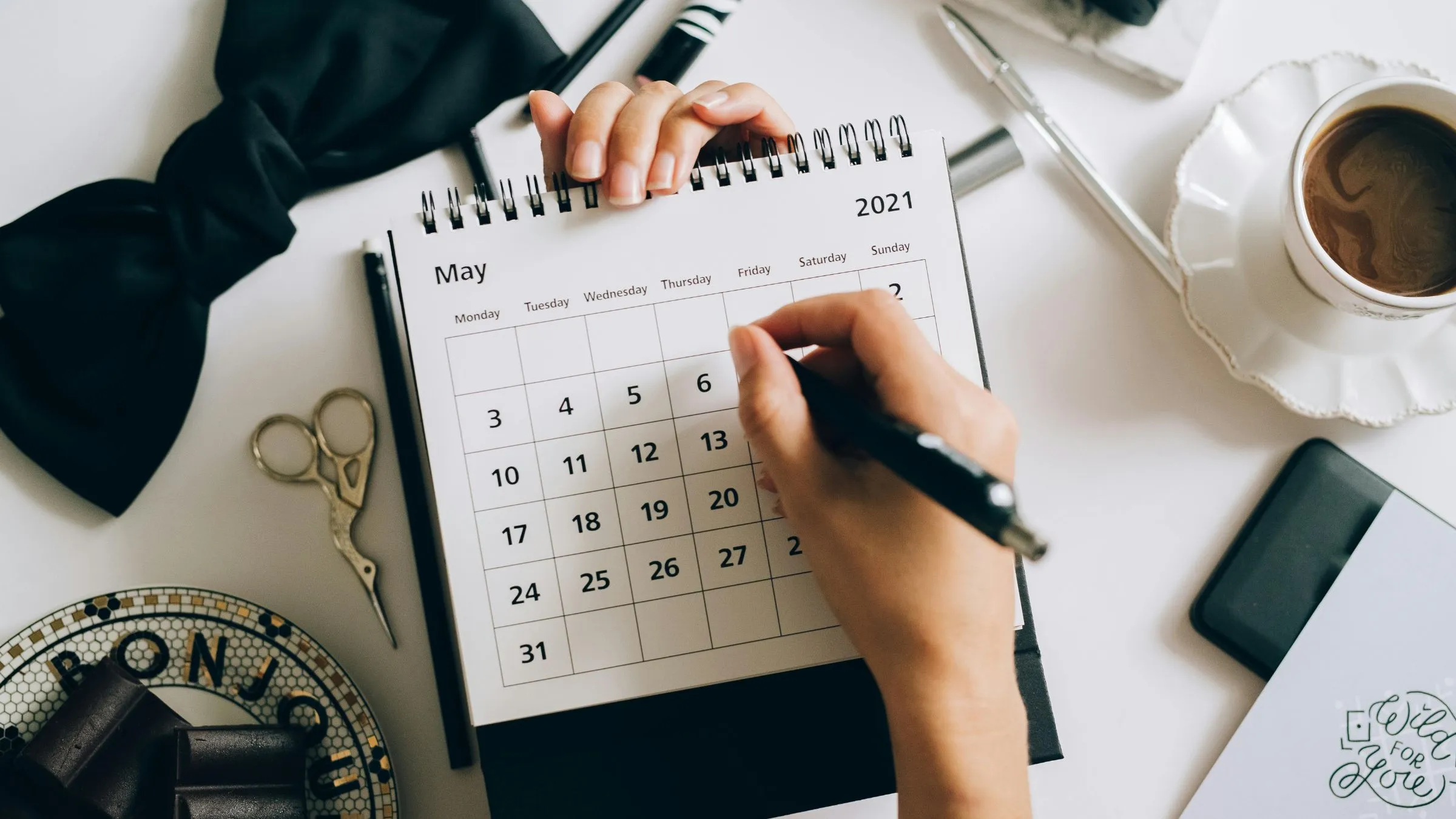
Mayo Clinic recommends keeping tasks and appointments in a notebook, calendar, or electronic planner. Repeating an entry aloud while writing it may help retain it, and keeping essential items in one place can make them easier to locate.