Working with an editor on your first academic book: what authors need to know
One of the things we hear from early career researchers is that the role of the editor can seem surprisingly mysterious until you actually begin working with
By Megan Taylor
For someone publishing their first academic book, what does an editor actually do?
One of the things we hear from early career researchers is that the role of the editor can seem surprisingly mysterious until you actually begin working with one. Academic publishing has its own vocabulary and processes, and researchers can sometimes feel they are expected to understand all of that before they have even entered the system.
That is one of the reasons we developed Boydell Horizons, our researcher development and open access publishing programme. It helps early career researchers understand the complete journey of a scholarly book and learn directly from people working in editorial, production, marketing and open access. Our introductory Publishing 101 session describes publishing as a collaborative ecosystem in which authors create the scholarship and publishers and editors work with them to assess, develop, produce and distribute it. Your commissioning editor is often your main relationship within that ecosystem.
They are there to assess whether your project is right for their list, guide it through proposal and peer review, discuss feedback with you and help you develop the strongest possible book. They may also be the person helping you navigate questions about the contract, timetable, word count and the different stages that lie ahead.
It is useful to think of the editor neither as a gatekeeper nor as someone who is going to rewrite your book for you. It is a professional collaboration. You bring the subject expertise and years of research; the editor brings experience of developing scholarly books, understanding readers and markets, and navigating the publishing process. That distinction can make the relationship feel much less intimidating.
When should you first start talking to an editor?
Earlier than many first-time authors imagine. You do not necessarily need to have a finished manuscript before approaching a publisher. In fact, one of the messages we try to reinforce through Boydell Horizons is that understanding publishing earlier can help researchers make better decisions about their projects.
A sensible first step is to identify publishers whose lists genuinely fit your work. Look at the books you already use and admire in your field. Who publishes them? Which series do they sit within? What kinds of discourse and approaches seem to belong on that publisher's list?
Then make contact. Editors are actively looking for strong projects and new authors. You might meet them at a conference, be introduced by a colleague or simply send an email explaining your idea.
At this point you do not need to pretend that every aspect of the book has been decided. A good conversation may actually help you clarify the project. You should, however, be able to explain its central argument, contribution and intended readers.
One exercise we use in Publishing 101 is deliberately simple, we ask participants to finish these sentences succinctly:
My book argues…
It matters to…
It changes how we understand…
Those three sentences are useful preparation for an editorial conversation because they force you to articulate the book rather than simply describe the research behind it.
What is an editor looking for when they consider a first book?
Excellent research matters, of course, but the editorial conversation goes beyond asking whether the scholarship is good. There are broadly three things an editor is trying to understand.
First is scholarly value. What is original about the project? Is there a convincing argument? What does this book contribute to its field?
Second is fit and readership. Why does the project belong with this publisher or series? Who will want to read it? How does it relate to existing scholarship?
Third is feasibility. Can this become a workable book of an appropriate scope and length? Are there particular illustration, permissions or production requirements? Is the proposed timetable realistic?
If your editor asks you to explain the audience more clearly, rethink a chapter structure or say more about competing books, it does not necessarily signal that there is a problem with the scholarship. They are trying to understand how the research can work most effectively as a published book.
What should you expect from editorial feedback, and what happens if you disagree?
Perhaps one of the biggest adjustments for a first-time author is getting used to feedback from several different directions. There may be comments from your commissioning editor, series editors and external peer reviewers. Later, there will be a copyeditor and production colleagues too. These people perform different roles, so their feedback will not all look the same.
What matters is engaging with feedback seriously. Try to understand the issue behind a comment before deciding how to respond. If a reviewer struggles to follow part of an argument, for example, you might disagree with their suggested solution while nevertheless recognising that something needs clarifying. This is where the relationship with your editor can be particularly valuable. They can help you interpret peer review, distinguish fundamental issues from individual preferences and work out what revisions will genuinely improve the book.
In our Boydell Horizons guidance, one of the editorial tips we give new authors is to “use feedback to strengthen” the project. Other advice includes sharing ideas early, writing for a broader audience and keeping your own analysis central. That means recognising that somebody who understands academic books but has a little more distance from this particular piece of research can often see things you cannot after several years immersed in it.
“One of the most useful things about working with an editor is having somebody who is close enough to understand what you are trying to achieve, but far enough away from the research to see the book as a reader will. You don't have to agree with every suggestion, but being willing to have that conversation can make the eventual book considerably stronger.”
Charlie Rozier, Academic Author
What can authors do to make that relationship work well?
Communication makes an enormous difference – always tell your editor if something is unclear. Ask questions rather than worrying that you ought already to know the answer. If circumstances change and a deadline becomes unrealistic, talk to them early rather than disappearing until the delivery date.
Similarly, listen when your editor raises practical issues. Word counts, illustration specifications, permissions and house style can feel peripheral when your main concern is the intellectual argument, but sorting them out early can prevent considerable frustration later.
At Boydell & Brewer, for example, once a proposal is accepted, the author and editor agree a final manuscript schedule and maximum word count. Authors are also given guidelines covering the preparation of their manuscript, permissions and illustrations. Our guidance for current authors stresses that well-prepared material helps avoid problems later in production, while incomplete references, poorly prepared artwork or missing permissions can cause delays.
The best author-editor relationships tend to involve openness on both sides. An editor should be able to explain why they are recommending something. Equally, an author should feel able to say, “I understand the concern, but here is why I think this approach matters.”
That is a much more useful conversation than thinking you have to choose between accepting every alteration and defending every word.
Suggested quote for Charlie Rozier to approve:
“As an academic author, I think it helps enormously to see the relationship with your editor as collaborative. You remain the expert on the research, but your editor understands how an academic book develops and what readers need from it. Being open about questions, concerns and deadlines makes the whole process much easier.”
What would you say to someone who is nervous about working with an editor for the first time?
I would say that being nervous is completely normal, particularly because so much of academic publishing is invisible until you experience it for yourself. But you are not expected to arrive knowing how every stage works. In fact, a recurring theme in feedback from our Boydell Horizons sessions has been how valuable researchers find simply understanding “who does what” within publishing, and what happens behind the scenes.
We have seen the same response when explaining different editorial roles. Researchers have talked about the value of unpacking the tacit knowledge academics are often assumed to have, but rarely get an opportunity to ask about. To me one of the most important things to remember is that your editor does not expect you to be an expert in publishing. That is their expertise.
You should bring curiosity, openness, a strong understanding of your own research and a willingness to think about your reader. Everything else is a process you can learn. And if you want to understand that process before you are ready to approach a publisher, that is exactly the purpose of the work we do with ECRs through Boydell Horizons. The programme covers the journey from proposal development and editorial assessment through production, indexing, marketing and open access, with researchers learning directly from people working across those areas.
Publishing your first book is a significant step, but you are not taking it alone. A good editor is not simply somebody who accepts a manuscript at the beginning and hands you a finished book at the end. They are one of the people helping you turn years of research into a book that readers can discover, understand and use.
Author bio
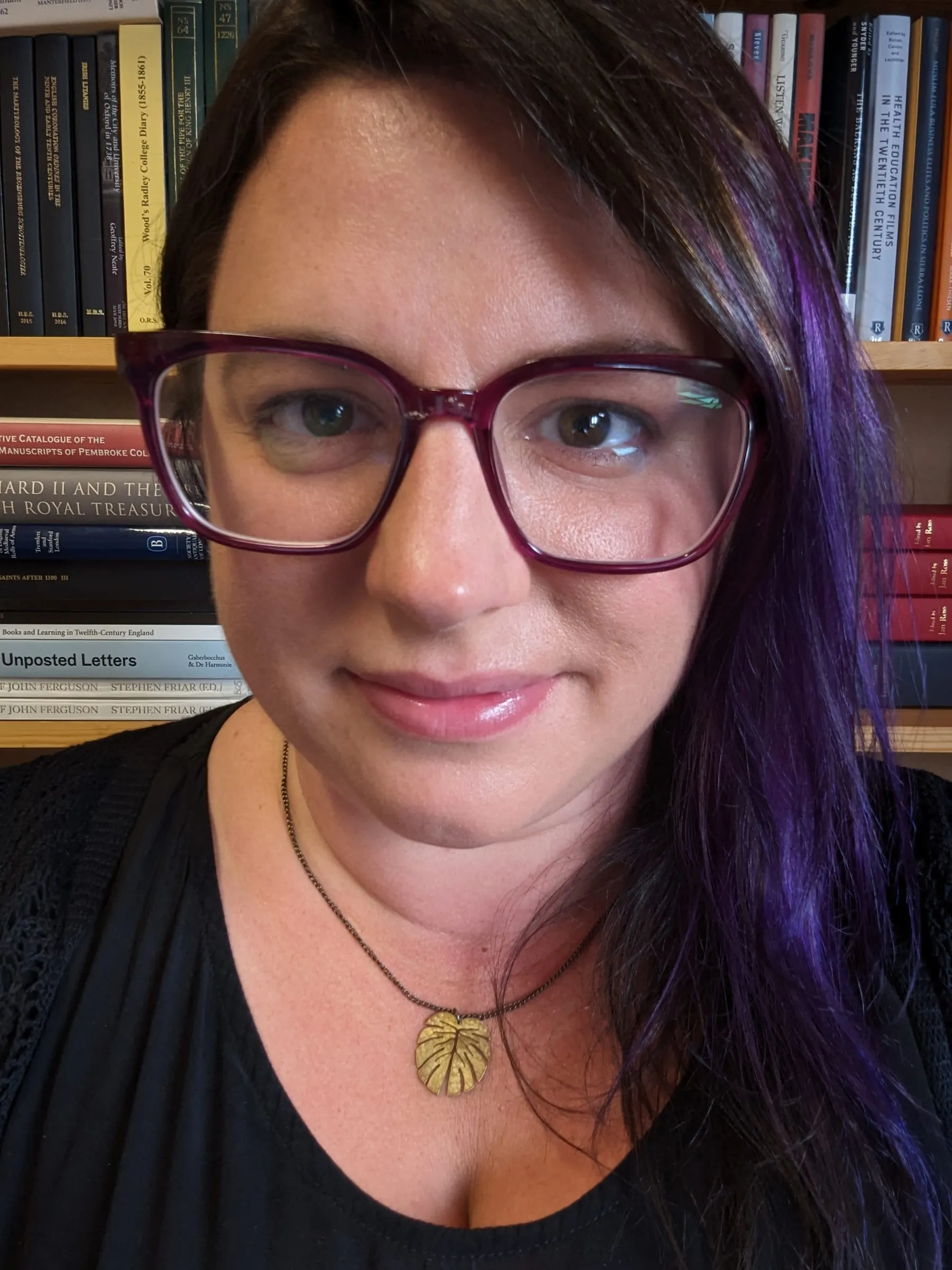
Megan Taylor is Partnerships Manager at Boydell & Brewer and leads the development and delivery of Boydell Horizons, its researcher development and open access publishing programme. She works with universities, libraries and other partners to develop practical opportunities that support early career researchers and make academic publishing more accessible and transparent.
You can contact Megan at: MTaylor@BoydellandBrewer.com