UWE Bristol Wins £812,000 for Actin Computing
Computing with Actin Network receives a £812,000 EPSRC grant for UWE Bristol research into protein-based computing devices.
By Academic Writing Club Newsroom
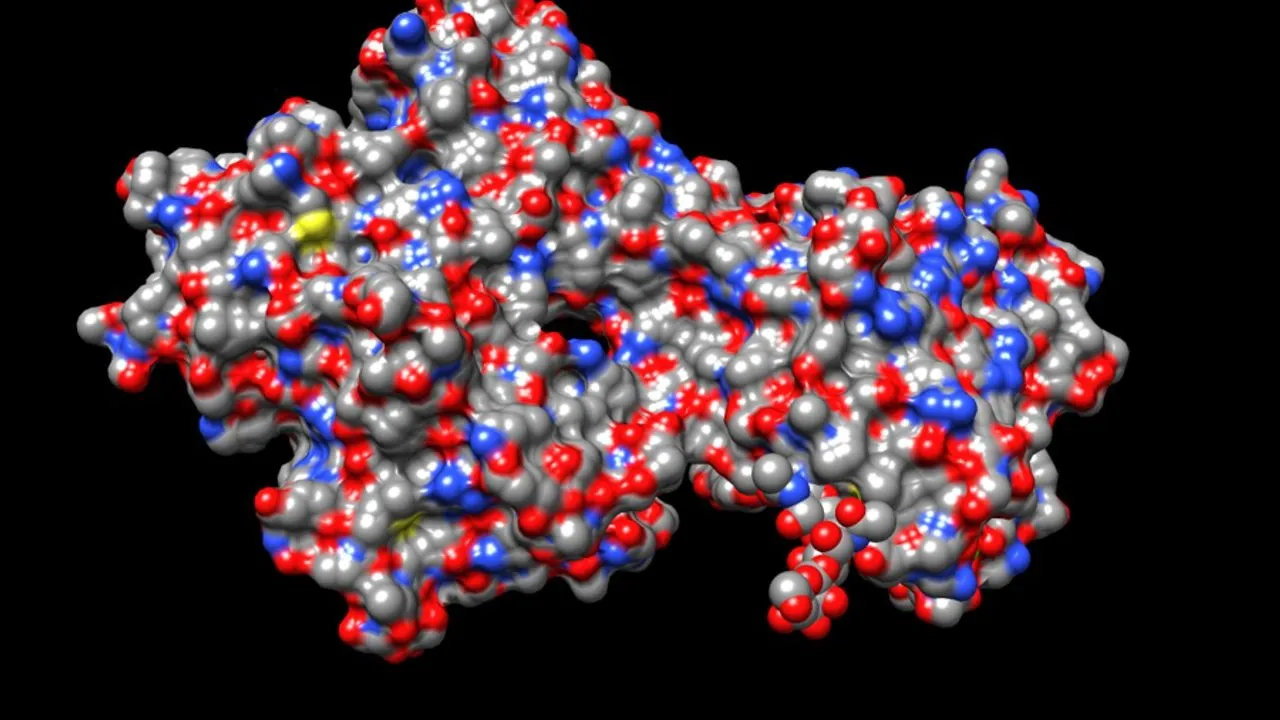
The University of the West of England has secured a £812,000 research grant from the Engineering and Physical Sciences Research Council to study computing with biological proteins rather than silicon circuits. The four-year Computing with Actin Network project is led by Professor Andrew Adamatzky at UWE Bristol’s Unconventional Computing Laboratory. It will test whether networks of actin filaments can process information and perform logical operations. The research is funded by the Engineering and Physical Sciences Research Council, part of UK Research and Innovation.
Actin Networks Under Study
Actin is one of the most abundant proteins in living cells, forming microscopic filaments involved in cellular structure, movement, and internal transport. The filaments can assemble into networks and conduct electrical and ionic signals, properties the researchers will investigate for molecular and microscopic computing systems.
Professor Andrew Adamatzky, Professor at UWE Bristol’s Unconventional Computing Laboratory, said:
“We are exploring the possibility of making computers from the same proteins that form the internal skeleton of living cells. Instead of manufacturing every component, we want to investigate whether networks of protein filaments can grow into structures capable of processing information. This is fundamental research, but it could open entirely new directions in computing technology.”
Experimental Components
Researchers will examine how actin networks can be grown, organized, and controlled for computational tasks. The project will develop experimental prototypes of resistors, capacitors, and transistor-like devices made from actin filaments, while also testing logical circuits, information storage, pattern recognition, and analogue computations.
Professor Andrew Adamatzky, Professor at UWE Bristol’s Unconventional Computing Laboratory, added:
“Unlike conventional computers, which rely on precisely manufactured semiconductor circuits, actin-based systems could exploit the natural ability of biological materials to self-assemble, reorganise and respond to their environment.”
From Models to Devices
The EPSRC funding supports a move from theoretical models and preliminary laboratory observations of electrical activity in actin filament assemblies towards experimental computing devices. The research will bring together expertise in unconventional computing, molecular biology, polymer chemistry, nanotechnology and electronic engineering.
Potential long-term applications include biodegradable electronics, molecular-scale information processing, unconventional computing architectures, and hybrid systems combining biological materials with conventional electronics.