Arts University Plymouth Secures £1.42m for Workshops
Arts University Plymouth workshops will receive £1.42 million in Office for Students funding for new equipment and upgrades.
By Academic Writing Club Newsroom
Arts University Plymouth has secured £1.42 million from the Office for Students through its competitive capital funding scheme for 2026–27 to upgrade specialist making facilities at Tavistock Place in Plymouth. The funding is the university’s largest investment in these facilities since the Craft, Design and Fabrication Workshops opened in 2014. New equipment will support art and design students as they develop designs into working prototypes and reuse suitable materials.
Workshop Changes Planned
The grant will fund workshop improvements and equipment for digital design and hands-on making. Students could use a computer-controlled router to cut wooden components from a drawing on screen or build a form in clay with a 3D printer.
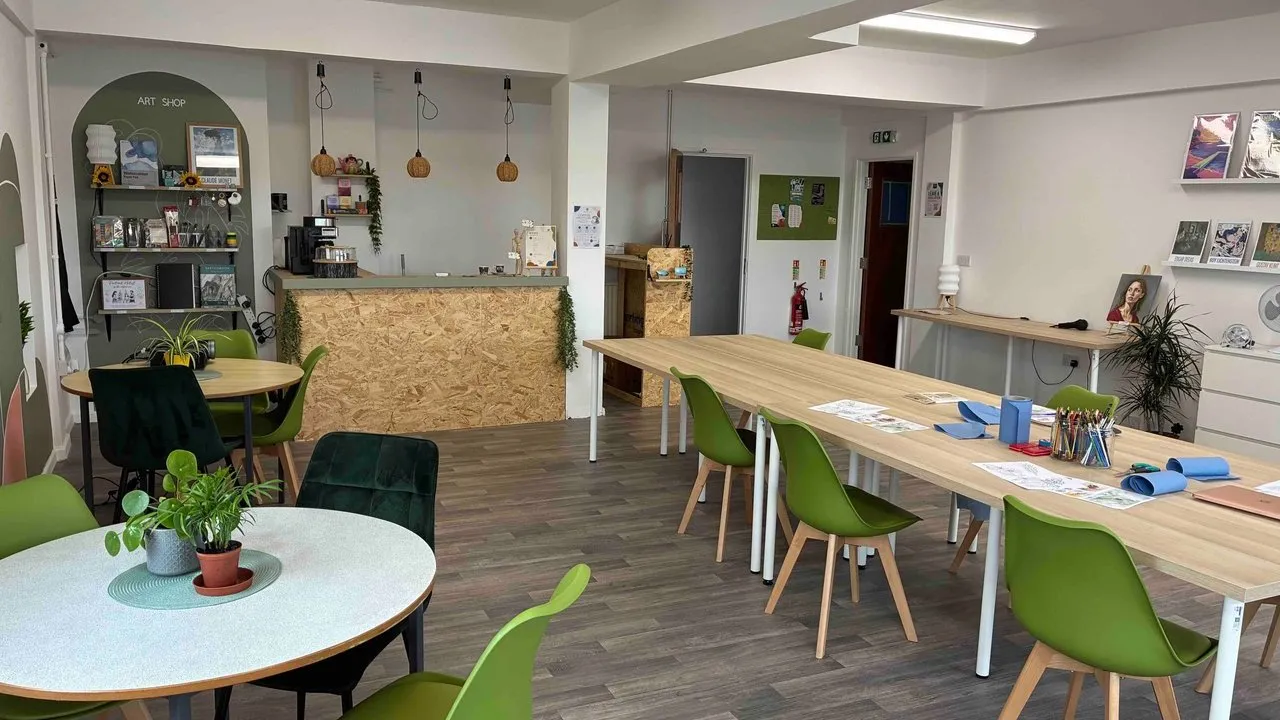
Plans to bring BA (Hons) Fine Art to the Tavistock Place campus from 2027/28 would provide around 120m² more usable space than Studio 11, the course’s current rented home on Regent Street. The proposed studios will take in the current wood workshop area, with woodwork moving to a dedicated space within Fab Lab South West alongside metals and digital fabrication.
Fab Lab Facilities
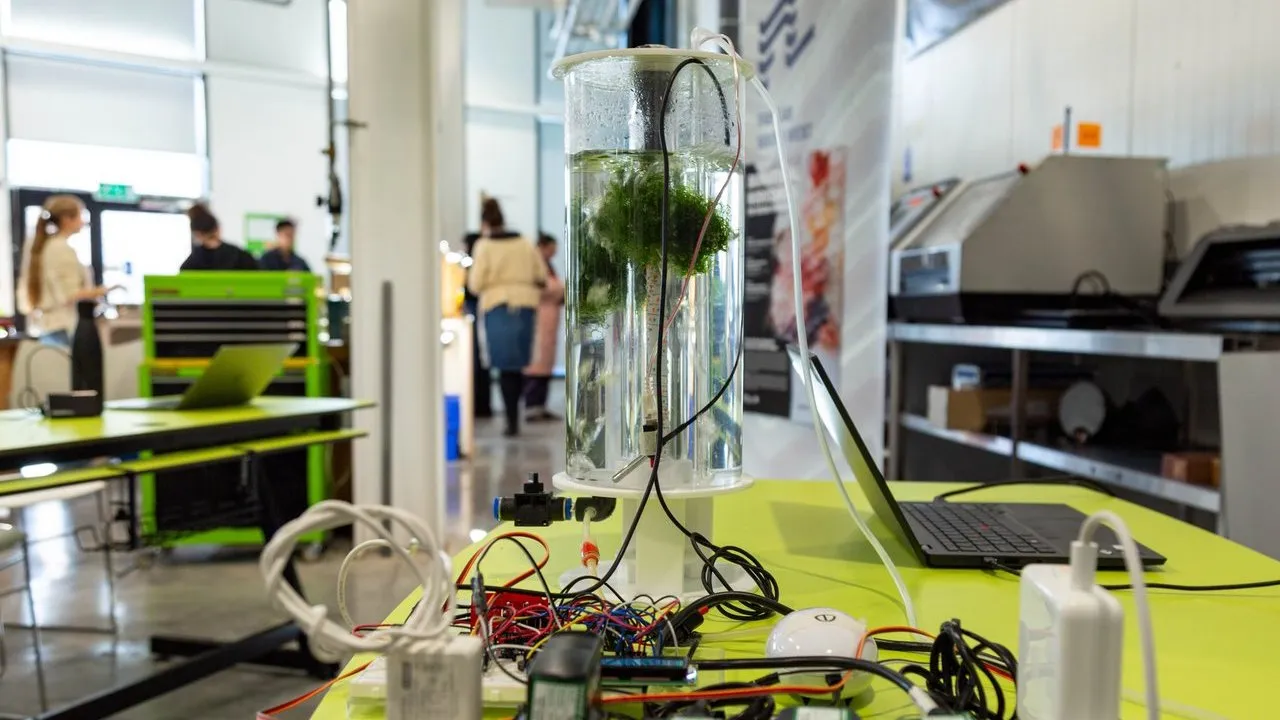
Fab Lab South West opened as part of the 2014 investment and works with businesses across the region to test materials and make prototypes. In 2019, the university helped Plymouth become the first UK city to join Fab City, an international network that encourages cities to make more of what they need locally and keep materials in use for longer.
Professor Paul Fieldsend-Danks, Vice-Chancellor at Arts University Plymouth, said:
“The South West should rightly be recognised as one of the UK’s leading centres for the creative industries. Our targeted investment into interdisciplinary workshops here in Plymouth establishes vital national and regional infrastructure that accelerates innovation across the creative sector. By bringing together diverse design skills, practical making, and collaborative testing under one roof, these facilities empower graduates to launch pioneering ventures and provide local manufacturers with the technical expertise needed to refine products and maximise material potential.”
Material Reuse Equipment
The Centre for Circular Materials brings researchers, students and businesses together to test what can be made from materials grown or recovered in the South West. It builds on projects such as the Fab Lab’s work with Dorset company Agrikinetics to make prototype fruit cartons from miscanthus grass and test it as an alternative to imported pulp.
New equipment will allow students to turn suitable plastic offcuts into filament for 3D printing and sheets for prototypes. Electric reheating chambers will replace gas-fired units in the glass workshop, while new extraction controls are designed to save energy by matching ventilation to workshop use.
Teaching From 2027
The planned changes will bring woodwork, metals and digital fabrication together at Fab Lab South West while placing fine art studios closer to specialist facilities.